The Future of Credit Cards: Technological Innovations and the Digital Age
Transformations in Financial Transactions
In an era where technology is rapidly evolving, the landscape of financial transactions is undergoing a significant transformation. Traditional credit cards, long the cornerstone of consumer finance, are transforming in response to emerging technological innovations. As digital payment solutions gain traction, consumers, retailers, and financial institutions are adapting to a new environment that emphasizes speed, safety, and user convenience.
Key trends shaping the future of credit cards include:
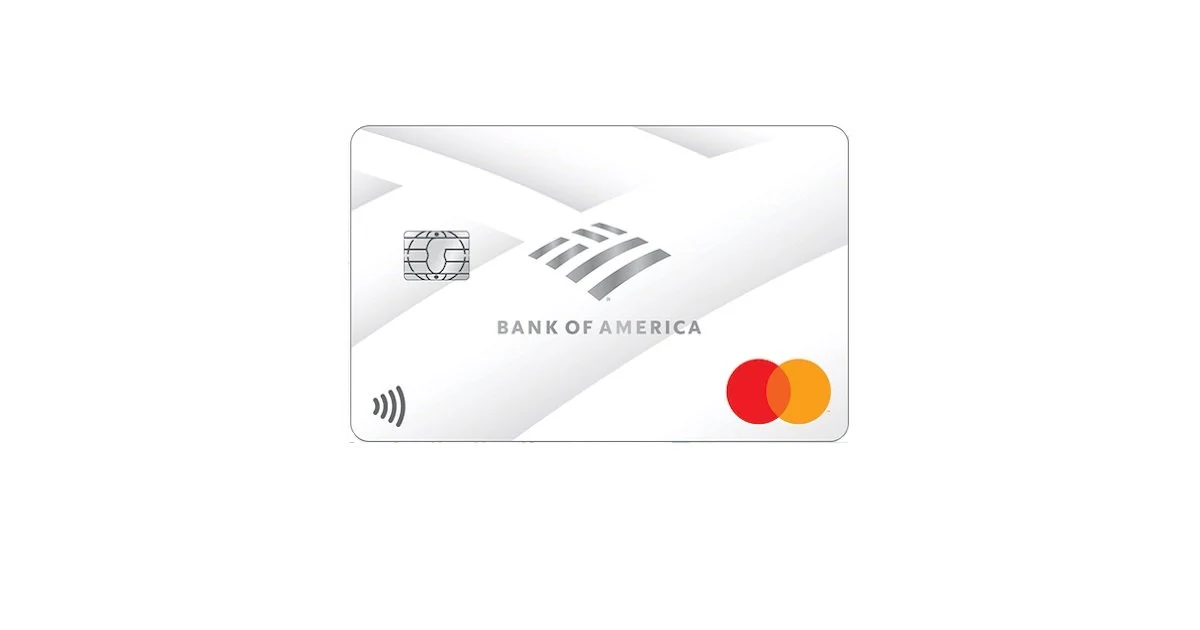
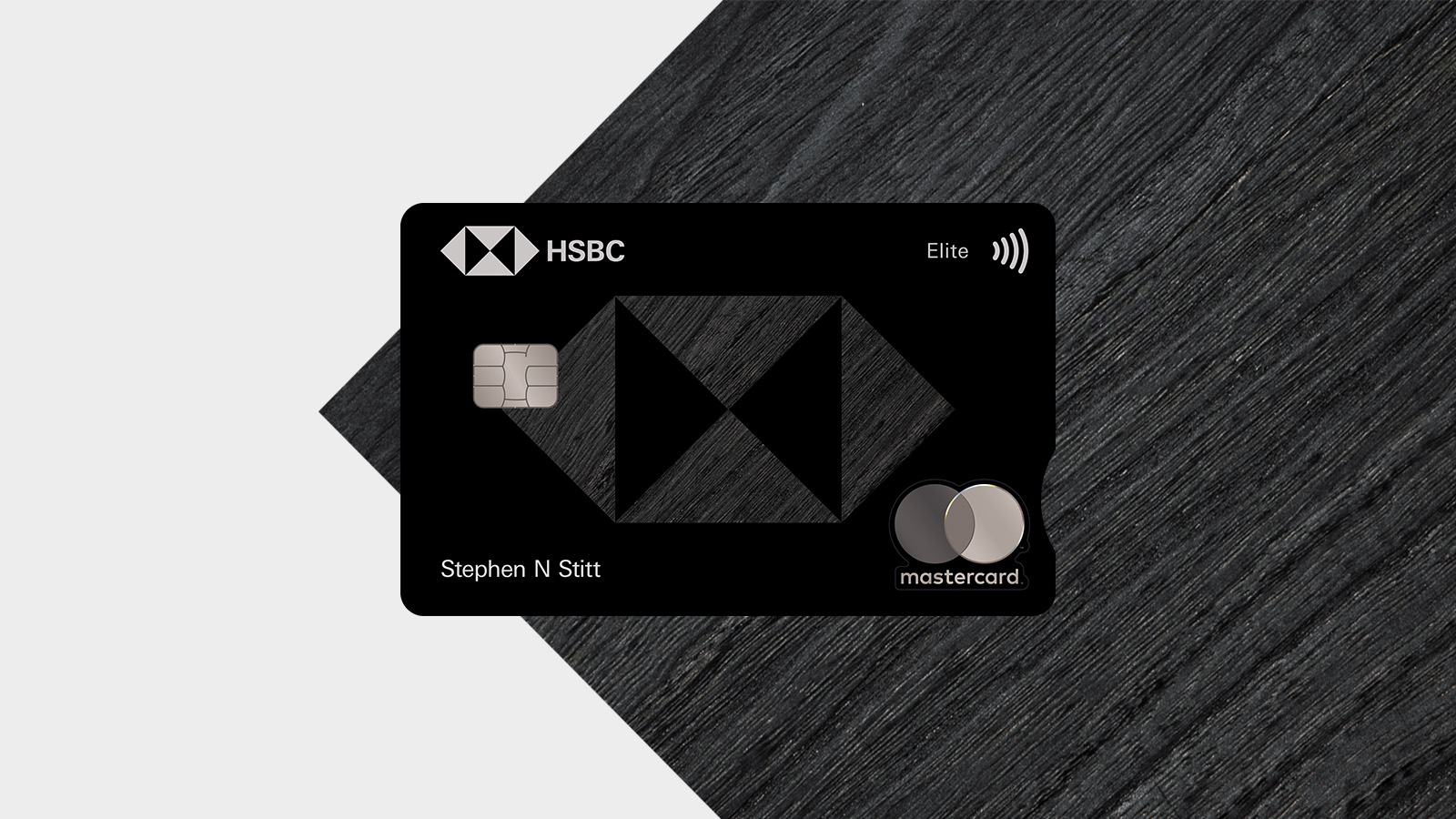
- Contactless Payments: The rapid adoption of Near Field Communication (NFC) technology has revolutionized how consumers make transactions. NFC-enabled cards and mobile devices allow for quicker and safer payments at retail locations. For instance, customers can simply wave their card or smartphone at a point-of-sale terminal, completing their transaction in mere seconds. This not only enhances the in-store experience but also aligns with health and safety concerns, as reducing physical contact has become increasingly important.
- Mobile Wallet Integration: Platforms like Apple Pay, Google Pay, and Samsung Pay have streamlined payment processes by enabling users to store their credit card information securely on their devices. These mobile wallets utilize advanced security features, such as tokenization and biometric authentication (fingerprint or facial recognition), to protect users’ financial data. Such measures significantly reduce the risk of fraud compared to traditional card swiping methods, making mobile transactions not only more convenient but also inherently safer.
- Blockchain Technology: The potential integration of blockchain technology in credit card transactions opens up avenues for improved transaction transparency and reduced fraud risk. By providing a decentralized and immutable ledger, blockchain can validate transactions without the need for intermediaries, thereby reducing transaction times and fees. Companies are exploring how blockchain can enhance credit scores and provide instantaneous credit approvals, leading to a more fluid and efficient financial system.
These innovations are not merely altering how consumers spend their money; they also introduce new challenges and opportunities regarding financial security. As cyber threats become increasingly sophisticated, the demand for enhanced security protocols is paramount. For example, in 2022 alone, data breaches exposed the personal information of millions of Americans, highlighting the need for robust cybersecurity strategies in financial transactions. This evolution requires both consumers and businesses to adjust their practices to stay secure and competitive in an ever-changing market.
As we delve deeper into these technological advancements, it becomes clear that the future of credit cards will hinge on a blend of convenience, security, and user experience. Understanding these changes is essential for anyone involved in the financial landscape, from consumers to industry professionals. Staying informed about these trends will not only empower consumers to make smart financial decisions but will also enable businesses to tailor their services to meet the growing expectations of tech-savvy customers.
CHECK IT OUT: Click here for a step-by-step guide
The Shift Towards Digital Transactions
The transition from traditional credit card use to digital transactions is not merely a trend but a fundamental shift in consumer behavior and preferences. As technology continues to advance, financial institutions and consumers alike are embracing digital solutions that enhance the efficiency of payment processing. This transformation is spearheaded by a selection of significant technological innovations that promise to redefine how consumers interact with their finances.
One of the most profound changes in the credit card landscape is the rise of artificial intelligence (AI)</strong) and machine learning. These technologies enable financial institutions to analyze vast amounts of transaction data in real-time, leading to smarter credit scoring and personalized financial products. AI algorithms can assess risk more accurately, allowing for faster loan approvals and more tailored credit card offers based on individual spending habits and credit history. This personalized approach not only increases customer satisfaction but also reduces the chances of defaults and fraud.
Biometric Authentication is another innovation gaining traction in the realm of credit cards. As consumers become increasingly concerned about security breaches and identity theft, financial institutions are looking towards biometrics such as fingerprints and facial recognition to add an additional layer of security. For instance, some banks have begun offering credit cards that incorporate fingerprint sensors directly within the card, enabling users to authenticate transactions seamlessly without needing a PIN. This shift not only promises greater security but also enhances the user experience by streamlining the payment process.
Furthermore, the emergence of cryptocurrencies and digital currencies has started to influence the usage of credit cards as well. With the increasing acceptance of cryptocurrencies as payment methods, several credit card issuers are integrating crypto options into their platforms. These cards allow users to spend their cryptocurrency holdings in everyday transactions by converting them to fiat currency at the point of sale. Such innovations not only cater to a growing demographic of crypto enthusiasts but also provide the infrastructure needed for the coexistence of traditional and digital assets in consumer finance.
- Increased Focus on Sustainability: As environmental concerns grow, many financial institutions are developing eco-friendly credit card options. This includes cards made from recycled materials and those that contribute to carbon offset programs with each purchase. Financial institutions recognize the importance of aligning with consumer values, thereby enhancing brand loyalty.
- Rewards and Loyalty Programs: The competition among credit card providers is prompting the enhancement of rewards programs. Innovations in blockchain technology enable more efficient tracking and redemption of rewards, fostering customer engagement and retention. Users are now able to redeem points instantly at checkout, further piling on the advantages of using credit cards.
The combination of these advancements not only facilitates a smoother and more secure transaction experience but also offers an opportunity for consumers to engage with their finances in a more informed and controlled manner. As these changes take root, adapting to the new possibilities and challenges will be crucial for consumers and businesses alike in ensuring their financial practices remain relevant and secure in the digital age.
DISCOVER MORE: Click here for easy application tips
Emerging Payment Technologies and Their Impact
As the digital landscape evolves, so does the technological framework surrounding credit cards, paving the way for innovative payment solutions. Among these advancements, contactless payment technology has gained remarkable popularity in recent years. This method utilizes Near Field Communication (NFC) to allow consumers to make payments by simply tapping their credit cards at compatible terminals. According to a study conducted by Mastercard, contactless transactions have surged by 150% globally since the pandemic began, indicating a growing preference for quick and seamless payment methods. The convenience of contactless payments not only enhances the customer experience but also accelerates the checkout process, making it especially appealing in high-volume retail environments.
Furthermore, the integration of mobile wallets is reshaping the credit card landscape. Solutions such as Apple Pay, Google Pay, and Samsung Pay enable users to store their credit card information digitally, allowing for swift transactions through their smartphones. This shift towards mobile-first payment solutions reflects changing consumer preferences, as a significant percentage of customers (approximately 45% according to recent surveys) report using mobile wallets for daily purchases. Additionally, these wallets often incorporate multiple security features, including tokenization and biometric authentication, which bolster transaction security while simplifying the user experience.
Another noteworthy trend is the rise of Open Banking, a regulation-driven movement that allows consumers to grant third-party financial services access to their banking information through secure APIs. This innovation fosters greater transparency and competition, leading to enhanced consumer choices in credit products. Open Banking enables financial institutions to offer tailored services and, in doing so, may also facilitate better credit risk assessments, allowing lenders to provide more competitive credit terms to consumers. This ecosystem provides an opportunity for collaboration between banks and fintech startups, ultimately benefiting consumers with improved financing options.
- Integration of Internet of Things (IoT): The IoT is also making significant inroads into the credit card industry. Smart devices, ranging from wearables to home appliances, can potentially facilitate payments directly through a user’s credit card account, opening up a new realm of convenience. For instance, shoppers could buy groceries without placing items at a checkout line, as smart carts could automatically charge the user’s credit card as they leave the store.
- Decentralized Finance (DeFi): The emergence of DeFi platforms is further challenging traditional banking models, as they allow peer-to-peer transactions and financial services without intermediaries. This technology may lead to the development of credit cards specifically designed for decentralized financial ecosystems, offering features such as lower fees and instant settlement capabilities.
As the U.S. economy gradually adapts to technological advancements, the implications of these innovations on credit card usage are profound. Consumers can expect a more integrated, user-friendly, and secure financial experience. However, these developments also necessitate a stronger emphasis on regulation and cybersecurity measures, as the increased interconnectivity of payment systems could introduce new vulnerabilities. Industry stakeholders must collaborate to ensure robust protection mechanisms are in place to safeguard consumer data and build trust in these emerging financial technologies.
LEARN MORE: Click here to delve into the challenges and opportunities in sustainable finance.
Conclusion
In conclusion, the future of credit cards is set to be significantly shaped by a multitude of technological innovations that cater to the evolving needs of consumers in the digital age. The rise of contactless payments and the integration of mobile wallets indicate a clear pivot towards convenience and efficiency in transactions. These advancements not only enhance user experience but also contribute to the acceleration of financial processes in diverse retail environments. Furthermore, the embrace of Open Banking is fostering competition and transparency in the financial ecosystem, enabling more personalized credit solutions tailored to individual consumer needs.
The integration of advanced technologies, such as the Internet of Things (IoT) and the growth of Decentralized Finance (DeFi), promises to further revolutionize credit card functionalities, allowing seamless transactions and innovative financial products. With these developments, consumers can anticipate a more integrated and secure financial experience; however, this evolution does come with a heightened emphasis on regulatory frameworks and cybersecurity. Ensuring robust protection against potential vulnerabilities is imperative to maintain consumer trust and safeguard sensitive information.
Ultimately, as the credit card industry continues to adapt to technological advancements, stakeholders—including banks, fintech firms, and regulatory bodies—must work collaboratively to navigate these transformations. By doing so, they can deliver superior services that not only meet consumer demands but also set the stage for the future of finance in an increasingly digital world.

Linda Carter
Linda Carter is a writer and financial expert specializing in personal finance and financial planning. With extensive experience helping individuals achieve financial stability and make informed decisions, Linda shares her knowledge on our platform. Her goal is to empower readers with practical advice and strategies for financial success.